The old port of Roscoff
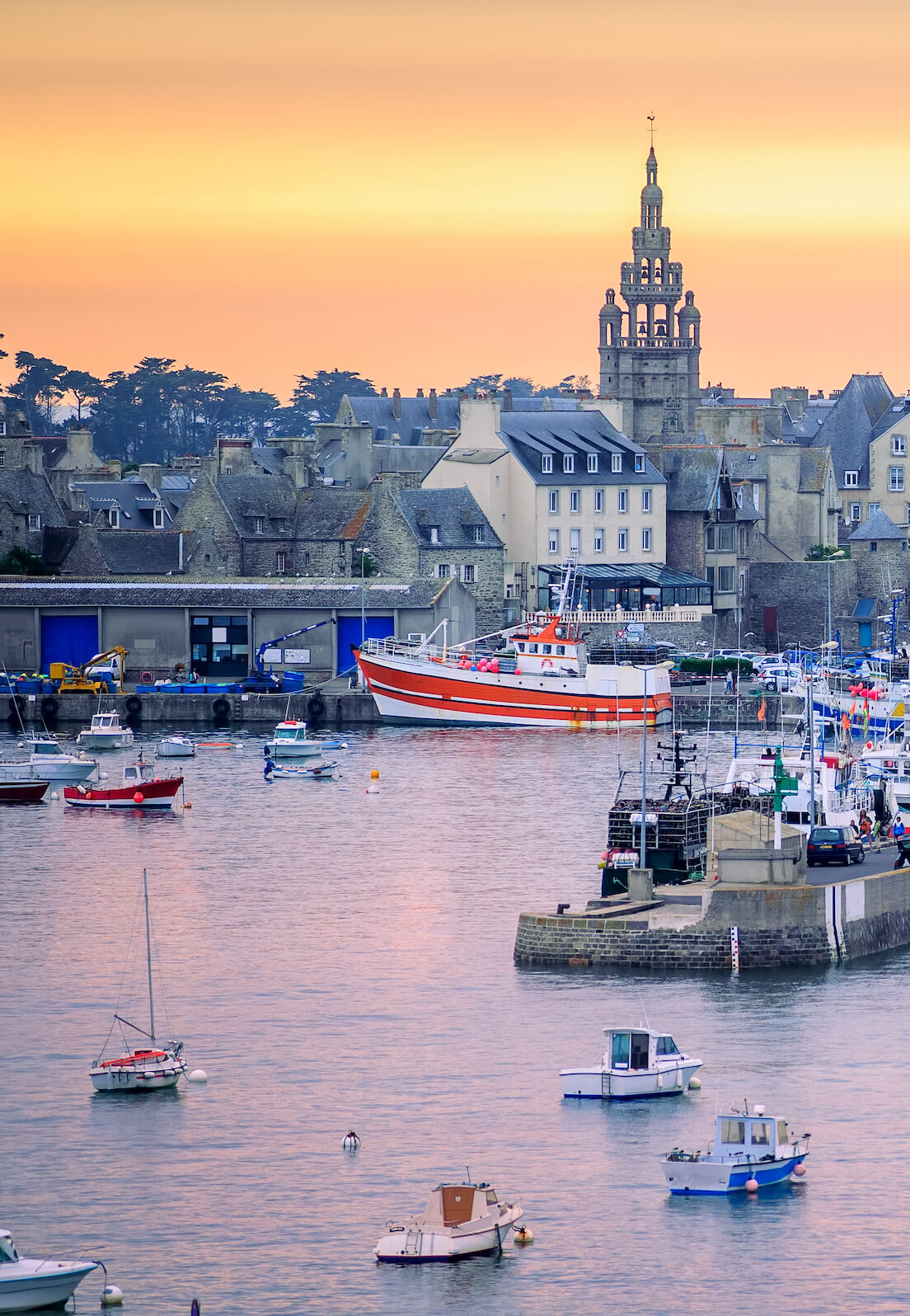
The old port of Roscoff is an emblematic place of Breton maritime heritage, whose history reflects the major economic and social changes in the town over the centuries.
Our Activities
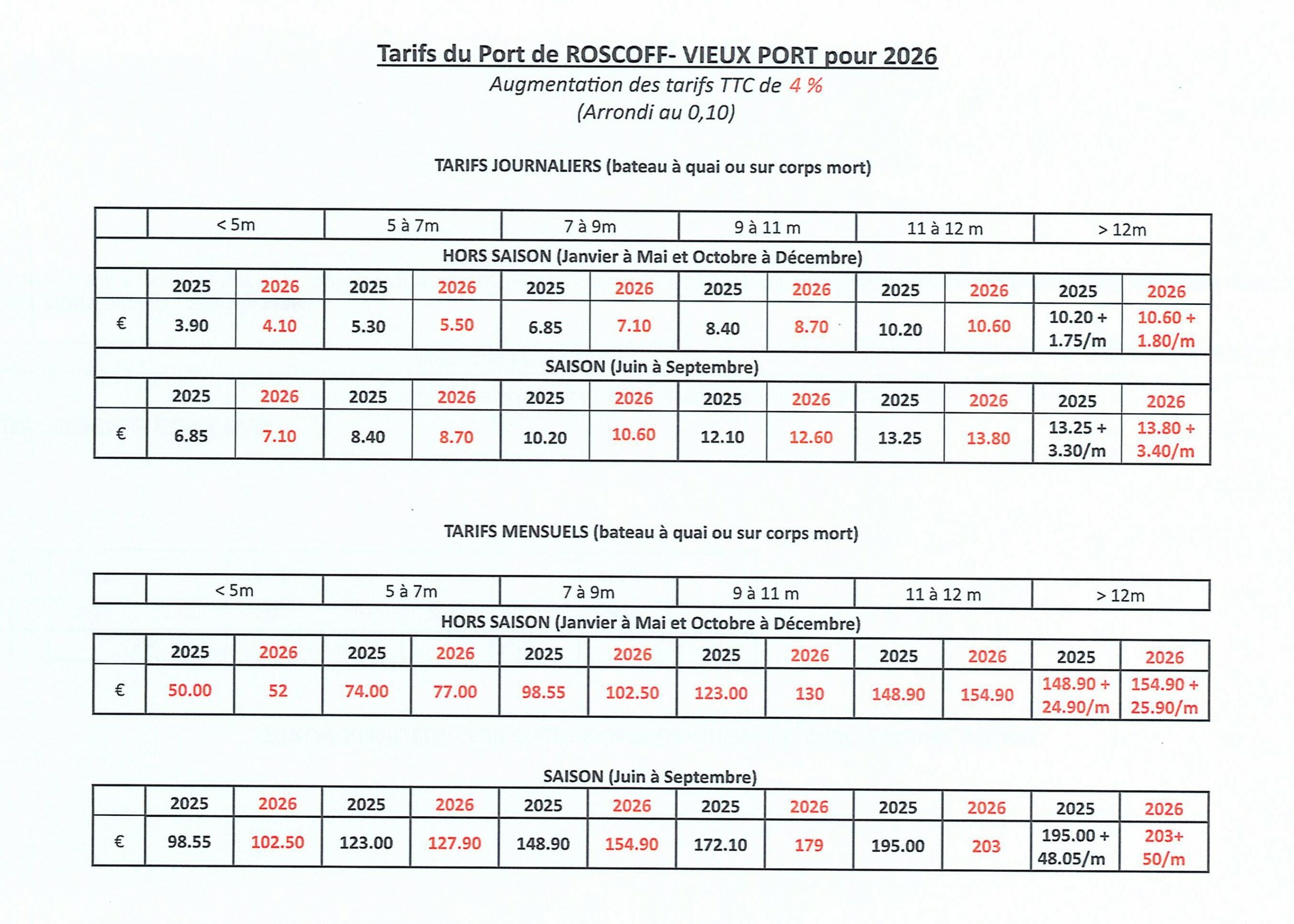
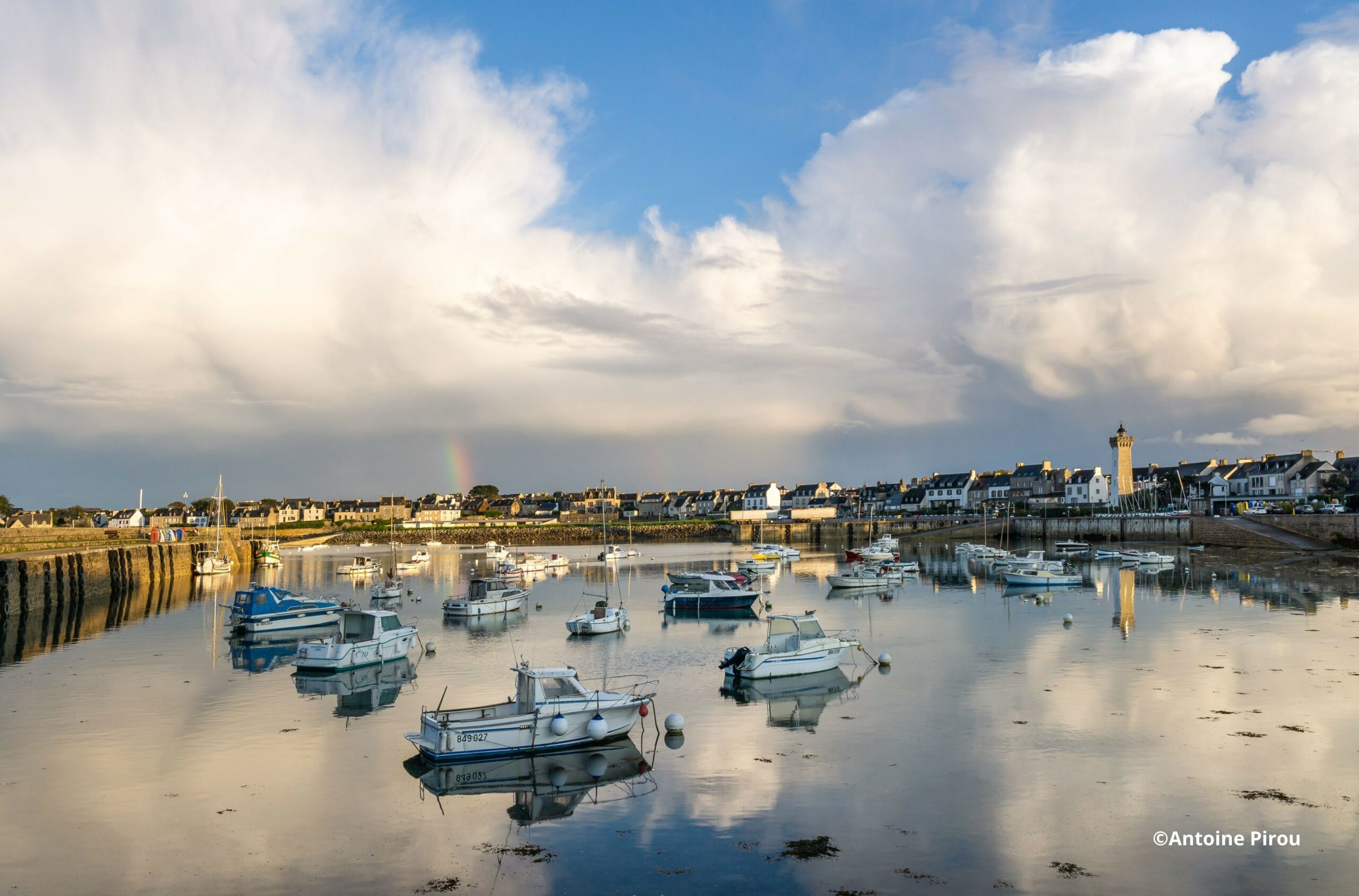
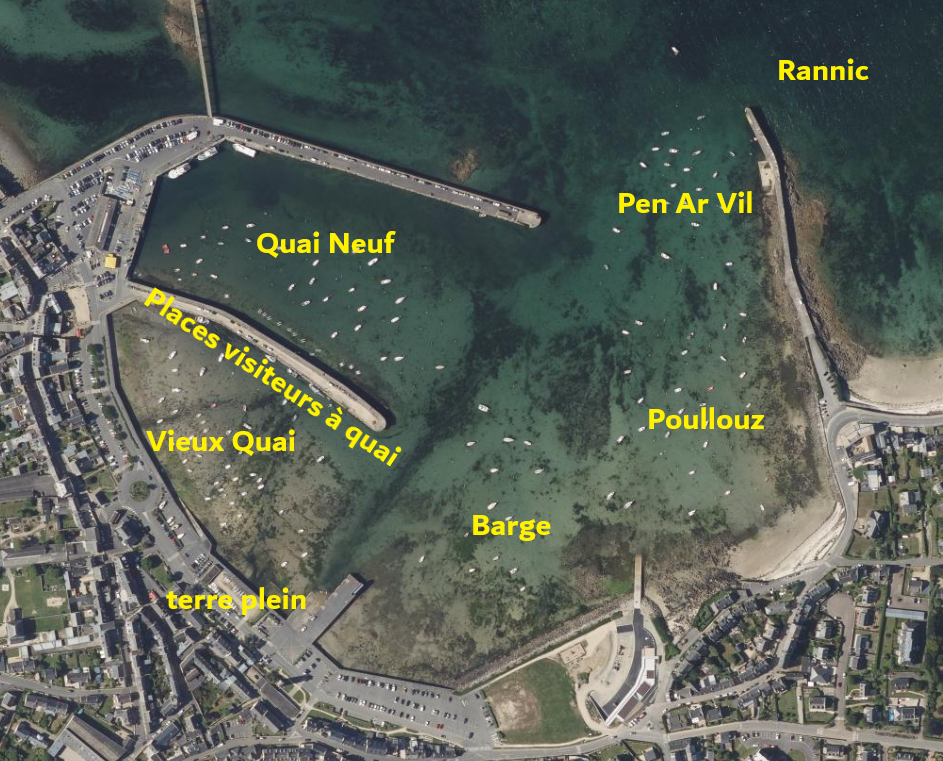
With a capacity of around 200 moorings a year and 452 in peak season, the Old Port of Roscoff welcomes boaters in a unique setting offering safe shelter and immediate access to shops.
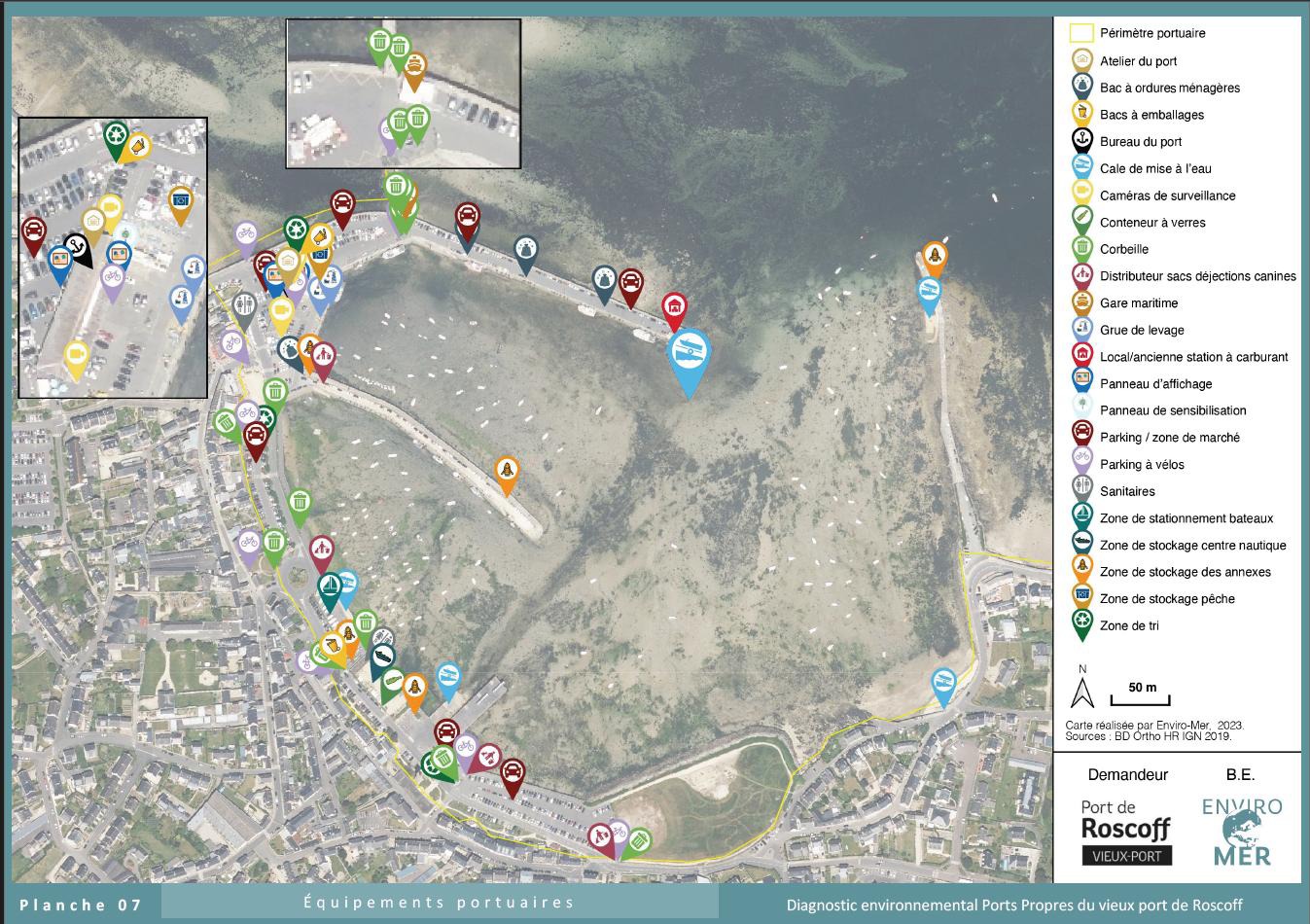

Fresh water at the dock
Electricity
Toilets
Defibrillator
Year-round harbor service with the port boat.
The Old Port of Roscoff is a workplace for 12 fishing boats year-round. For seafood lovers, several fishermen offer direct sales in a designated area (to be determined). To keep track of arrivals and find out when they are present and what products are available, please visit the AN DRO fishing boat’s page :
Roscoff Old Port allows travelers to reach the Île de Batz. Regular shuttles run daily throughout the year (15 minutes). Tickets can be purchased online, at the ticket office in the Old Port (open during peak season), or directly on the boat.
History of the Old Port
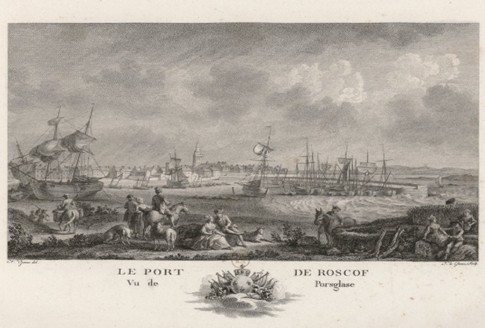
A maritime crossroads since the Middle Ages. Formerly a tidal port, Roscoff established itself as a key hub for regional maritime trade from the 15th century onwards. Its geographical location made it a prime stopover for trade with England and beyond. The port's dynamism attracted increasingly large ships, and it was around this port that the town prospered and flourished.

The 16th and 17th centuries: a time of commercial privileges. Roscoff enjoyed a unique position in Brittany: as the only port in the region authorized by royal decree to receive flax seeds from Riga (Latvia), it was part of the major European flax route. Other goods passed through its docks: wine, salt, and rum for import; wheat and linen for export. This made the port a key player in maritime trade. It was also during this period, in 1647, that a Capuchin monk introduced the pink onion from Portugal, giving rise to one of the region's most emblematic crops.

The 18th century: privateers and smuggling. The conflicts shaking Europe led Roscoff merchants to arm their ships. Between 1702 and 1713, no fewer than 132 privateers were recorded in Roscoff. The town also became a renowned smuggling port, specializing in the trade of alcohol, tobacco, and tea to Ireland, western England, and Scotland, as highlighted in article 19 of the Lesneven grievance list of 1789. This activity continued until the fall of the First Empire in 1815, thus marking the beginning of the decline of port activity.
19th century: the rise of market gardening, an economic turning point. Roscoff reinvented itself from 1828 onwards thanks to market gardening. Potatoes, cauliflowers, artichokes and pink onions now passed through the port to British markets, breathing new economic vitality into the town.

A port in constant transformation. At the turn of the 20th century, major works reconfigured the port area. A first reclaimed land was created in 1900, followed by the construction of the new breakwater starting in 1911. These successive projects profoundly transformed the relationship between the town and the sea; the old shipowners' houses, formerly located on the shore, gradually became enclosed within the urban fabric. The port expanded throughout the 20th century with the Charles de Gaulle quay (1969), the Auxerre quay (1975), and the barge slipway (1984). In 1964, the decision to build a deep-water port at the Bloscon site opened a new chapter for the local economy and its hinterland.

Fishermen and pleasure boaters mingle on its quays and moorings, while the ferries bound for the Île de Batz embark their passengers as they have for generations. Owned by the Brittany Region and managed by the City of Roscoff, the old port today combines respect for this exceptional heritage with environmental commitment, through its Clean Port certification process, and is also committed to protecting its natural environment, notably through the preservation of the eelgrass beds that border its foreshore.

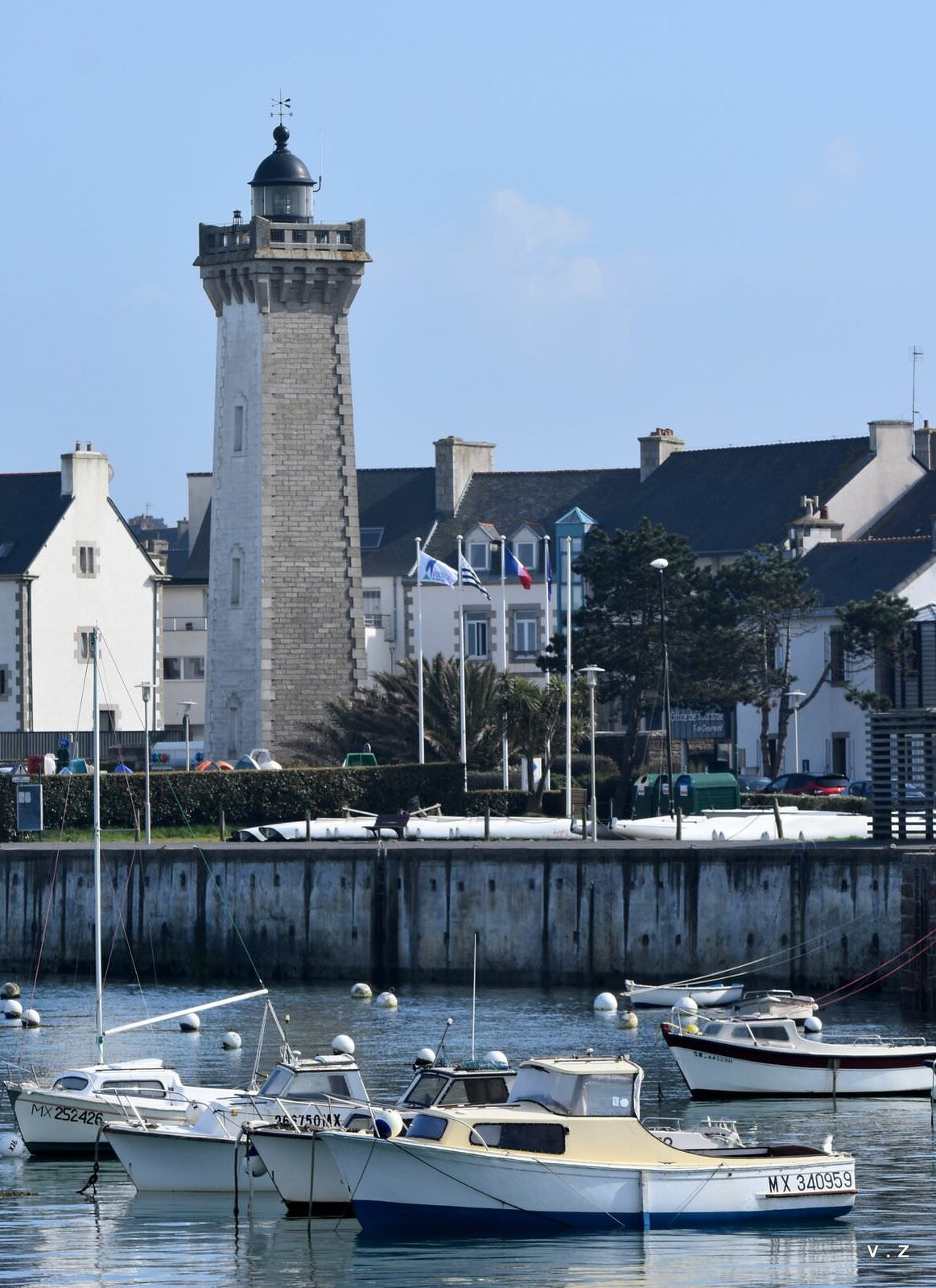
A heritage to rediscover. Today, several buildings bear witness to this rich maritime past: the former lifeboat station, the sailors' shelter, and the former lighthouse keeper's house, now converted into a tourist office. An interpretive trail allows visitors to trace this history. The old port has preserved its authenticity and charm.
Roscoff Old Port
information
Monday to Saturday, 8:00 AM to 5:30 PM
Reception open from 11:00 AM to 12:00 PM
Saturday, 9:00 AM to 12:00 PM
Harbour Master’s Office phone line: +33 2 98 69 76 37
Harbour Master’s Office mobile: +33 6 70 50 96 68